
Comprehensive analysis of smoking and vaping methods
Throughout history, inhaling cured leaves has evolved into highly engineered vaporizing technologies. Modern consumption relies on diverse delivery mechanisms, ranging from simple paper combustion to sophisticated digital temperature control interfaces.
Cigarette varieties
Characteristics of combustible tobacco and cigarette varieties
Traditional formats rely on tightly packed organic matter wrapped in porous paper. Lighting one end triggers a chemical reaction, releasing airborne particulates drawn through synthetic cellulose acetate filters into the lungs.
Manufacturing processes modify leaf blends by adjusting humidity and introducing curing agents. These agricultural variations produce unique scent profiles, specific burn rates, and distinct physical sensations during active use.

Vaporizer engineering
Engineering principles behind electronic vaporizer hardware devices

Battery mechanisms
High-capacity lithium cells provide consistent power to internal circuitry, ensuring the reliable current flows necessary for rapid liquid heating sequences.

Atomizer technology
Metallic wire coils wrap around absorbent cotton wicks, transforming stored electrical energy into intense localized heat within the main chamber.

Airflow systems
Adjustable intake slots dictate vapor density and cooling rates, allowing precise manipulation of the final aerosol texture upon immediate inhalation.
E-liquid chemistry
Chemical composition and aromatic profiles of e-liquids
Synthetic mixtures require precise base ratios to function correctly inside modern vaporizers. Manufacturers blend viscous vegetable glycerin with thinner propylene glycol, creating stable suspensions capable of holding concentrated aromatic molecules.
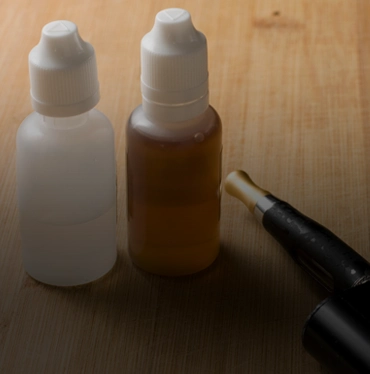
Vegetable glycerin for dense cloud generation rates
Derived from plant oils, this thick organic compound significantly increases the visible volume of expelled aerosol during the exhalation phase.
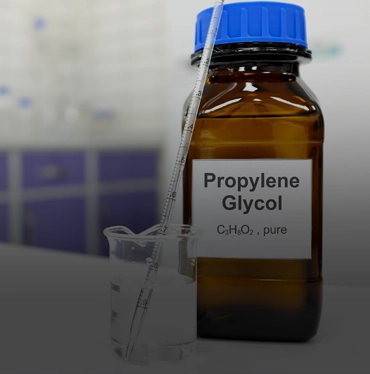
Propylene glycol as an effective flavor carrier
Operating as a synthetic solvent, this thinner liquid formulation successfully binds with complex food-grade extracts to deliver sharp gustatory notes.
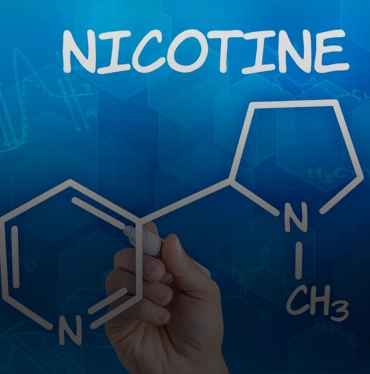
Freebase nicotine extraction for standard liquid suspensions
Traditional chemical extraction methods yield a pure alkaloid form, producing a noticeable throat sensation when heated at standard operational wattages.
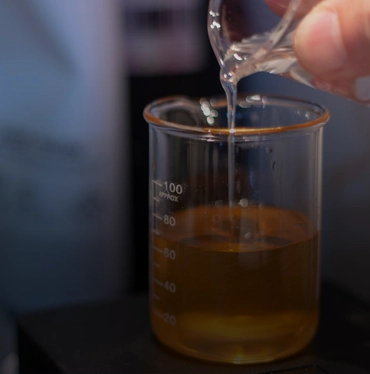
Acidic alteration creating smoother nicotine salt formulations
Adding organic acids neutralizes harsh alkaline properties, facilitating rapid bloodstream absorption without causing severe irritation to delicate respiratory mucosal tissues.
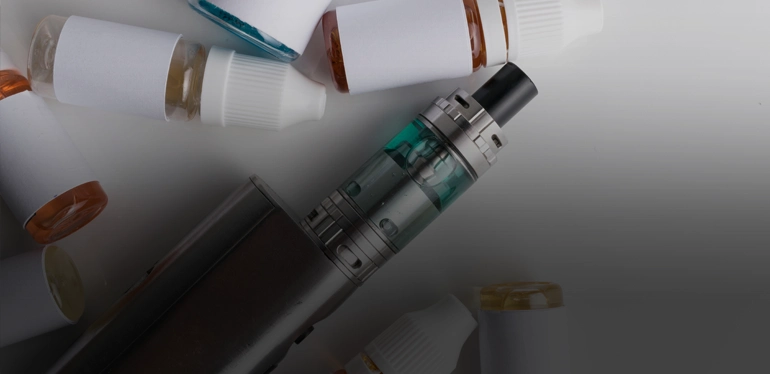
Maturation processes enhancing complex synthetic aromatic blends
Allowing mixed bottles to rest in dark environments encourages molecular bonding, ultimately resulting in deeper and highly refined taste characteristics.
Liquid preservation techniques


Viscosity testing procedures
Quit methods
Scientific methodologies for harm reduction and cessation
Transitioning away from combustible intake often involves structured biological replacement therapies. Transdermal patches deliver steady alkaloid streams through the dermis, bypassing the pulmonary system entirely while mitigating severe withdrawal symptoms.
Oral mucosal absorption offers another pathway via specialized gums and dissolving lozenges. These chewable formats provide immediate chemical relief while keeping the jaw actively engaged during intense psychological cravings.
Equipment tools
Functional equipment for preparation and combustible maintenance
Proper handling of loose organic material necessitates reliable precision tools. Rotary grinders utilize diamond-shaped metallic teeth designed to shred compressed botanical clusters into uniformly sized fragments, ensuring highly consistent burning rates.
Storage environments directly impact leaf longevity. Cedar-lined humidor boxes maintain optimal interior humidity levels, actively preventing delicate paper wrappers from cracking while preserving essential natural oils from premature evaporation.


Safety maintenance
Essential safety protocols and daily hardware maintenance
Modern electronic devices require routine diagnostic checks to prevent catastrophic battery failures. Cleaning electrical contact points with isopropyl alcohol guarantees optimal power transfer and extends the operational lifespan of heating components.